
Views: 0 Author: Site Editor Publish Time: 2025-12-19 Origin: Site


As hydrogen fuel becomes increasingly important in the global shift towards cleaner energy, efficient and safe transport methods for hydrogen are crucial. The Hydrogen Skeleton Semi Trailer has emerged as a key solution for the transportation of hydrogen at high pressures. For businesses involved in hydrogen logistics, understanding the operational and safety considerations for using these trailers is essential. Jiangsu Huayan International Trade Co., Ltd., a leader in transport solutions since 2005, offers top-of-the-line Hydrogen Skeleton Semi Trailers designed to meet international safety standards and provide a reliable solution for hydrogen distribution. In this article, we will cover the key points you should consider when using a Hydrogen Skeleton Semi Trailer, from pre-operation checks to ongoing maintenance and regulatory compliance.
Before using a Hydrogen Skeleton Semi Trailer, it's vital to carry out thorough pre-trip preparations to ensure the trailer’s safety and efficiency during operation. The pre-operation checklist ensures that all systems are functioning correctly and that the trailer is compliant with safety standards.
Pre-trip Inspection Checklists: A detailed inspection checklist should be followed before each journey. This includes checking the pressure of the hydrogen cylinders, verifying the integrity of the seals and valves, and ensuring that the trailer’s brakes, tires, and lights are in good working condition. It is also important to ensure that the trailer’s emergency shut-off systems and leak detection systems are functioning properly.
Documentation and Regulatory Compliance: Compliance with local and international regulations is crucial when transporting hydrogen. Ensure that all necessary documentation is in order, including safety certifications, inspection records, and the transportation permits required for hydrogen transport. This documentation is essential in case of regulatory audits or inspections.
Pressure Test and Valve Integrity Checks: Since hydrogen is transported at high pressure, it's vital to conduct pressure tests and valve integrity checks before each journey. These tests ensure that the cylinders are not leaking and that the pressure relief valves are working properly. Maintaining the integrity of the valves is crucial for preventing dangerous situations during transport.
The safe handling of hydrogen is critical to avoid accidents during transport. Proper protocols must be followed to reduce the risk of leaks, fires, and other hazards. Here are some of the best practices for ensuring safe transport:
Highway Safety Protocol During Transit: When transporting hydrogen, it is essential to follow highway safety protocols. This includes maintaining the correct speed limits, using appropriate signage, and ensuring that the vehicle towing the trailer is equipped with proper safety features. Special attention should be given to driving conditions, especially in areas prone to extreme weather, to avoid any unforeseen incidents.
Emergency Shutdown and Leak Response Systems: In case of an emergency, having a reliable emergency shutdown system is essential. This system should allow the driver to stop the hydrogen flow and safely secure the trailer. Leak response systems should also be in place to quickly detect and seal any leaks, preventing the release of hydrogen during transport.
Handling Hydrogen Compression Risks During Loading/Unloading: Loading and unloading hydrogen from the Hydrogen Skeleton Semi Trailer requires specialized equipment and protocols. It’s important to ensure that all compression equipment is functioning properly and that the unloading process is done in a controlled and secure environment. Adequate training for the personnel involved in loading and unloading is essential to prevent accidents and ensure the safe transfer of hydrogen.
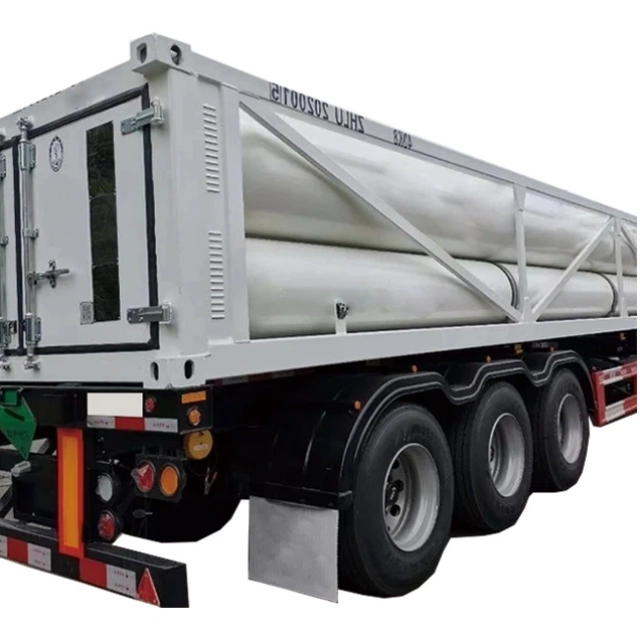
Due to the high-risk nature of hydrogen transportation, it is essential that all personnel involved are properly trained and certified. This includes drivers, technicians, and anyone else who may be involved in the transport or maintenance of the trailer.
Mandatory Training for Drivers & Technicians: All drivers and technicians must undergo mandatory training to handle hydrogen safely. This includes training on hydrogen's physical properties, the hazards of high-pressure systems, and emergency response procedures. The training should be updated regularly to ensure compliance with the latest safety standards.
Certifications for Handling High-Pressure Hydrogen: Handling high-pressure hydrogen requires specific certifications. Drivers and technicians must be certified to operate vehicles that carry hydrogen at high pressures. These certifications ensure that the personnel are qualified to handle the specific safety procedures needed for hydrogen transport.
Risk Mitigation Through Education and Simulation Drills: Ongoing education and regular simulation drills are vital to ensure that drivers and technicians are prepared for any potential emergency situations. These drills allow personnel to practice emergency shutdown procedures, leak containment, and other safety measures in a controlled environment.
Regular maintenance and inspection of the Hydrogen Skeleton Semi Trailer are essential to keep it in safe working condition and extend its operational lifespan. Below are key aspects to consider when developing a maintenance and inspection schedule:
Recommended Maintenance Intervals: It is crucial to follow a regular maintenance schedule to keep the trailer in optimal condition. This includes regular checks on the hydrogen cylinders, pressure systems, and safety features. The intervals for these checks will depend on the specific usage and the manufacturer’s guidelines. Typically, trailers should undergo comprehensive inspections every 6 to 12 months.
Common Wear Parts and Safety-Critical Components: Certain components of the trailer, such as the valves, seals, and pressure relief devices, are subject to wear and tear. These parts should be inspected regularly and replaced as needed to ensure the trailer remains safe to operate. Any worn or damaged components should be replaced promptly to avoid malfunctions during transport.
Record Keeping for Safety Audits: Keeping detailed records of all inspections, maintenance, and repairs is crucial for safety audits and regulatory compliance. These records help track the condition of the trailer and ensure that all safety requirements are being met. They also provide valuable documentation in case of an incident or accident.
Compliance with regional and international regulations is essential for the safe and legal transport of hydrogen. Businesses must ensure that their Hydrogen Skeleton Semi Trailers meet all regulatory requirements.
Transport Regulations by Region (DOT, ADR, etc.): Different regions have different regulations governing the transport of hazardous materials like hydrogen. In the United States, the Department of Transportation (DOT) has specific guidelines for the transport of compressed gases. In Europe, the European Agreement concerning the International Carriage of Dangerous Goods by Road (ADR) provides similar regulations. It’s important to stay updated on these regulations to ensure compliance.
Safety Standards Governing High-Pressure Gas Transport: There are international safety standards, such as ISO 11120, that govern the design, construction, and operation of high-pressure gas transport systems. These standards ensure that hydrogen is transported safely and that the trailers are built to withstand the high pressures associated with hydrogen storage.
Insurance and Liability Coverage Insights: Given the high risks associated with hydrogen transport, businesses must ensure that they have adequate insurance coverage. This includes insurance for the trailer itself, the cargo, and liability in case of accidents or leaks. Proper insurance is essential to protect both the business and its stakeholders from financial losses due to unexpected incidents.
When using a Hydrogen Skeleton Semi Trailer, ensuring safety, efficiency, and compliance with regulations is paramount. The trailer must undergo thorough pre-operation checks, regular maintenance, and adherence to strict safety protocols to minimize risks during transport. With proper training and certification, businesses can ensure that their operations meet the highest safety standards. At Jiangsu Huayan International Trade Co., Ltd., we provide top-quality Hydrogen Skeleton Semi Trailers that meet international standards, ensuring safe and efficient hydrogen transportation. By adhering to these practices and protocols, businesses can safely navigate the hydrogen transport landscape and contribute to a greener, more sustainable future. Additionally, our CNG tube skid solutions are an ideal complement for efficient and safe hydrogen delivery.
Contact Us today to learn more about how our Hydrogen Skeleton Semi Trailers can support your hydrogen transportation needs.
What are the key safety features of a Hydrogen Skeleton Semi Trailer?
The key safety features include pressure relief valves, leak detection systems, and emergency shut-off mechanisms, all designed to ensure the safe transport of hydrogen.
How often should a Hydrogen Skeleton Semi Trailer undergo maintenance?
It is recommended to perform a comprehensive inspection every 6 to 12 months, depending on usage and manufacturer guidelines.
What qualifications are needed to operate a Hydrogen Skeleton Semi Trailer?
Drivers and technicians must be certified to handle high-pressure hydrogen and undergo regular training on safety protocols and emergency procedures.
What are the regulatory requirements for hydrogen transport?
Hydrogen transport is regulated by various regional standards, including DOT in the US and ADR in Europe, ensuring that trailers comply with safety and transport laws.


