
Views: 0 Author: Site Editor Publish Time: 2025-12-15 Origin: Site


The transition to clean energy solutions is rapidly gaining momentum, and hydrogen plays a significant role in this shift. For industries and businesses that rely on hydrogen as a clean energy source, its safe and efficient transport is paramount. One of the key solutions for transporting hydrogen safely and cost-effectively is the Hydrogen Skeleton Semi Trailer. These trailers are designed to store and transport hydrogen at high pressures, ensuring that the gas remains stable and safe throughout the journey. Jiangsu Huayan International Trade Co., Ltd., a leading provider of transport solutions since 2005, offers high-quality Hydrogen Skeleton Semi Trailers, which play a vital role in hydrogen transportation across the globe. In this article, we will explore the various costs associated with operating a Hydrogen Skeleton Semi Trailer, providing transparency for businesses looking to incorporate this technology into their operations.
When considering the cost of a Hydrogen Skeleton Semi Trailer, the initial purchase price is the first major expense that businesses need to account for. The acquisition cost of a hydrogen trailer can vary depending on several factors, including customization, the materials used in the construction, and the certifications required for safe operation. Let's break down the key components of the acquisition cost:
Trailer Acquisition Cost Components: The base price of a Hydrogen Skeleton Semi Trailer typically includes the cost of manufacturing, labor, and materials. The price will vary based on the specifications of the trailer, including its size, pressure rating, and capacity. As hydrogen is transported at high pressure, trailers must be built with strong materials that can withstand these conditions, adding to the cost.
Customization, Certification, and Manufacturing Cost Differences: In many cases, trailers need to be customized to meet the specific needs of the buyer. Customization can include adjustments to the number of hydrogen cylinders, tube sizes, and safety features such as pressure relief valves and monitoring systems. Additionally, certification processes, such as ISO standards for hydrogen transportation, contribute to the cost. These certifications ensure that the trailer is safe and reliable for long-distance transportation of hydrogen.
Impact of High-Grade Materials and Pressure Ratings: The materials used in the construction of Hydrogen Skeleton Semi Trailers are critical to their performance and safety. High-strength steel and composite materials are commonly used for the cylinders, as they provide the durability required for high-pressure storage. These materials ensure the trailer can safely store hydrogen at pressures ranging from 200 to 700 bar. However, using these high-grade materials increases the upfront cost of the trailer. The pressure rating, which determines the amount of hydrogen the trailer can transport, also affects the price.
Once the trailer is purchased, businesses must also account for ongoing operational costs associated with using the Hydrogen Skeleton Semi Trailer. These operational expenses can vary depending on the trailer’s usage and the specific transportation routes, but the main areas of cost include:
Fuel / Vehicle Operation Expenses for Road Transport: Operating a Hydrogen Skeleton Semi Trailer requires significant fuel consumption, especially for long-distance journeys. The cost of fuel for the vehicle towing the trailer is a key operational cost. This will vary based on the distance traveled, the efficiency of the towing vehicle, and fuel prices in the region.
Insurance, Maintenance, Regular Inspection Costs: Given the high-risk nature of transporting hydrogen, insurance premiums for Hydrogen Skeleton Semi Trailers are generally higher than for other types of transport. Additionally, regular maintenance is necessary to ensure that the trailer remains in good working condition and that all safety features are operational. This includes inspections of the pressure cylinders, safety valves, and leak detection systems. Maintenance and inspection costs are ongoing and must be factored into the overall operating budget.
Driver Training & Safety Compliance Costs: Operating a Hydrogen Skeleton Semi Trailer requires specialized training for the drivers. They must understand the specific safety protocols associated with handling and transporting hydrogen, including emergency procedures in case of leaks or accidents. This training adds an additional cost, as does ensuring compliance with local safety regulations. Proper training is essential for minimizing risks and ensuring safe operation.
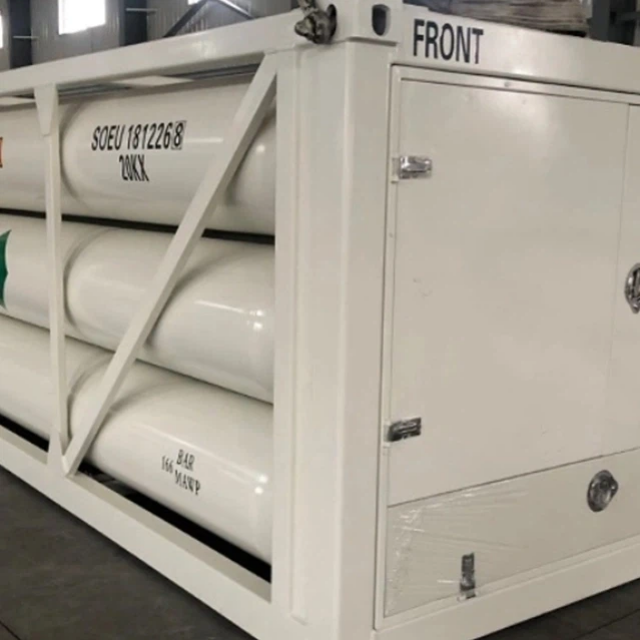
One of the most critical considerations when operating a Hydrogen Skeleton Semi Trailer is the cost per kilogram of hydrogen transported. The cost efficiency of the trailer will depend on several factors, including the distance traveled, the pressure levels of the hydrogen, and the specific configuration of the trailer. Let's explore the key cost factors in more detail:
How Costs Vary With Distance (Short vs Medium Haul): The cost of transporting hydrogen will vary depending on the distance. Short-haul routes typically incur lower costs due to reduced fuel consumption and less wear and tear on the vehicle. However, for longer routes, the cost per kilogram of hydrogen transported may increase due to the higher fuel consumption and additional operational costs associated with long-distance travel.
Influence of Pressure Levels on Payload and Cost Efficiency: The pressure at which hydrogen is transported plays a significant role in determining the cost efficiency of the operation. Higher pressures allow for more hydrogen to be stored in the same amount of space, improving the payload and reducing the number of trips required to transport a given volume of hydrogen. However, higher pressure levels also increase the cost of maintaining the trailer and ensuring that it can safely handle the higher pressure.
Cost Benchmarks from Industry Reports and Studies: Industry reports and studies provide valuable insights into the average costs associated with hydrogen transport. These benchmarks help businesses assess the cost-effectiveness of using Hydrogen Skeleton Semi Trailers compared to other methods of hydrogen transport, such as liquid hydrogen tankers or pipelines.
When considering hydrogen transport, it is essential to compare the costs of Hydrogen Skeleton Semi Trailers with other available options, such as liquid hydrogen tankers and pipelines. Each method has its own advantages and disadvantages, which can impact the overall cost efficiency.
Versus Liquid Hydrogen Tankers: Liquid hydrogen tankers require hydrogen to be stored at extremely low temperatures, which necessitates complex and expensive cryogenic technology. While liquid hydrogen tankers can transport large quantities of hydrogen, they come with higher operational and maintenance costs compared to Hydrogen Skeleton Semi Trailers, which store hydrogen at high pressure in its gaseous form. Hydrogen Skeleton Semi Trailers are more cost-effective for short- to medium-distance transport, especially when cryogenic storage is not necessary.
Versus Pipeline Deliveries Over Short to Medium Distances: Pipelines are an efficient way to transport hydrogen over long distances, but they require significant investment in infrastructure. For businesses that do not have access to a pipeline network, Hydrogen Skeleton Semi Trailers offer a more flexible and affordable alternative. These trailers can be deployed quickly and do not require the same level of infrastructure investment as pipelines, making them a more viable solution for businesses operating in areas without established hydrogen transport networks.
When Skeleton Trailers Offer Higher ROI: Hydrogen Skeleton Semi Trailers offer a higher return on investment (ROI) in scenarios where hydrogen needs to be transported flexibly and over shorter distances. The initial purchase cost may be higher than some alternatives, but the overall savings in operational costs, flexibility, and ease of deployment can make them a more cost-effective solution in the long run.
While the initial purchase and operational costs are important, businesses must also consider the long-term ownership and lifecycle costs associated with Hydrogen Skeleton Semi Trailers. These costs can have a significant impact on the total cost of ownership over the trailer's lifespan.
Tool Depreciation, Service Lifecycle: Like any industrial equipment, Hydrogen Skeleton Semi Trailers depreciate over time. However, their long service lifecycle means that they can continue to provide value for many years if properly maintained. Depreciation costs should be factored into the total cost of ownership, along with the trailer's residual value at the end of its useful life.
Impact on Total Cost of Hydrogen Logistics: The cost of operating a fleet of Hydrogen Skeleton Semi Trailers should be considered as part of the broader logistics strategy for transporting hydrogen. Businesses need to assess how these trailers fit into their overall hydrogen supply chain, including warehousing, distribution, and storage costs. By optimizing logistics and reducing transportation costs, businesses can improve the profitability of their hydrogen supply chain.
Scaling Fleets for Predictable Cost Patterns: As businesses grow, they may need to scale their hydrogen transport fleets. Scaling up operations can lead to more predictable cost patterns and economies of scale. By investing in a fleet of Hydrogen Skeleton Semi Trailers, businesses can streamline their hydrogen logistics and reduce per-unit transport costs over time.
In conclusion, the Hydrogen Skeleton Semi Trailer offers a cost-effective and efficient solution for businesses looking to transport hydrogen safely and flexibly. While the initial purchase price and operational costs are important considerations, the long-term savings and flexibility provided by these trailers make them a valuable investment for businesses involved in the hydrogen economy. With the ability to transport hydrogen over long distances, safely store it at high pressures, and comply with international safety standards, Hydrogen Skeleton Semi Trailers play a crucial role in enabling the transition to clean energy. If you are looking to optimize your hydrogen logistics, CNG tube skid solutions like these trailers are an excellent choice.
Contact Us today for more information on how our Hydrogen Skeleton Semi Trailers can help streamline your hydrogen transportation needs.
What is the typical operating pressure for Hydrogen Skeleton Semi Trailers?
Hydrogen Skeleton Semi Trailers typically operate at pressures ranging from 200 to 700 bar, depending on the specific design and requirements.
How do Hydrogen Skeleton Semi Trailers compare to liquid hydrogen transport?
Unlike liquid hydrogen transport, which requires cryogenic temperatures, Hydrogen Skeleton Semi Trailers store hydrogen at high pressures, offering a simpler and more cost-effective solution for many applications.
What are the main operating costs of a Hydrogen Skeleton Semi Trailer?
Key operating costs include fuel for the towing vehicle, insurance, maintenance, regular inspections, and driver training for safety compliance.
What industries benefit from using Hydrogen Skeleton Semi Trailers?
Industries such as hydrogen refueling stations, industrial hydrogen supply, and hydrogen mobility logistics rely on these trailers for efficient hydrogen transport.


